Understanding Odds Correctly – From Betting Slip to Digital Platform


Understanding Odds Correctly – From Betting Slip to Digital Platform
Odds have long been part of Ireland’s sporting and betting culture. Whether you’re standing at the rails in Leopardstown with a paper slip in hand or placing a wager through an app on your phone, understanding odds is key to judging risk, probability, and potential return. But what do odds really mean, how are they calculated, and how has the digital age changed the way we bet?
From Paper Slips to Real-Time Algorithms
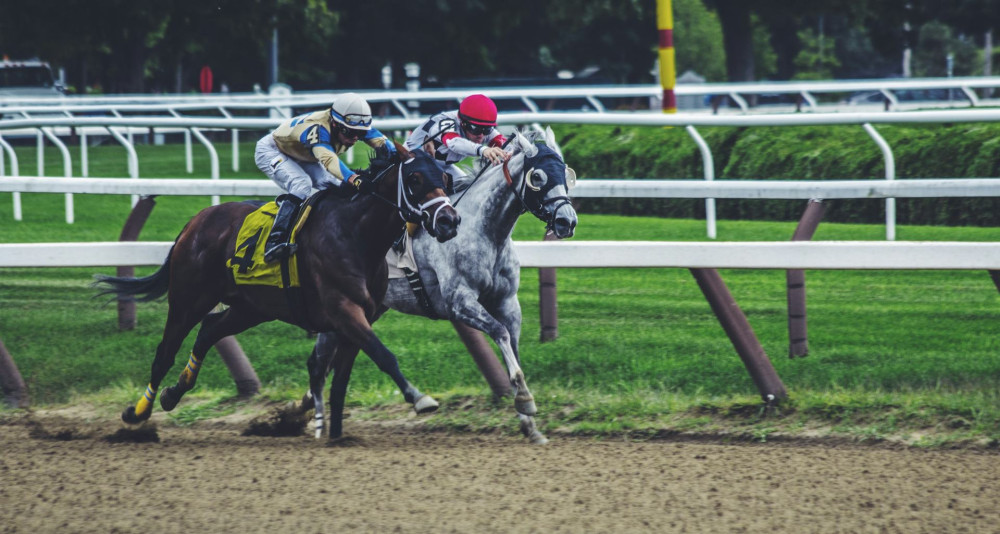
For generations, betting in Ireland was a social ritual. You’d visit your local bookmaker, fill out a slip, and hand it over the counter. The odds were set by the bookmaker’s experience, intuition, and the flow of money in the market. Today, most of that process happens online. Digital platforms update odds in real time, using complex algorithms that analyse vast amounts of data – from a horse’s past performance and track conditions to the jockey’s recent form.
This shift has made betting more accessible but also more intricate. Where once you could rely on a hunch or a favourite, today’s bettor benefits from a solid grasp of how odds work to make informed and responsible choices.
What Odds Really Tell You
Odds express the likelihood of a particular outcome. The lower the odds, the higher the perceived chance of it happening – and vice versa. For example, odds of 2/1 (or 3.0 in decimal form) suggest a one-in-three chance of success, while odds of 10/1 (11.0 decimal) imply a much smaller probability.
However, odds are not just about probability; they also reflect market behaviour. When many punters back the same horse, the odds shorten. When few do, they lengthen. It’s a dynamic process shaped by both statistics and psychology.
Fixed Odds vs. Tote Betting
In Ireland, you’ll encounter two main types of odds: fixed odds and tote (pool) betting.
- Fixed odds mean you know your potential return the moment you place your bet. The odds won’t change, no matter what happens in the market afterwards.
- Tote betting, common at racecourses, pools all stakes together. The final odds are only known once betting closes, and the pool is divided among the winning tickets.
Choosing between the two often comes down to personal preference. Some prefer the certainty of fixed odds, while others enjoy the suspense of watching the tote pool fluctuate until the race begins.
How to Calculate Potential Winnings
Calculating a potential return is straightforward in theory: stake multiplied by odds. If you bet €10 at odds of 4/1, your total return would be €50 – your €10 stake plus €40 profit. In practice, though, it’s worth checking for any deductions, commission, or taxes that might apply, especially on digital platforms.
Always read the terms and conditions of the site or bookmaker you use. Small differences in rules can make a noticeable difference to your final payout.
The Digital Transformation of Betting
The move from paper to digital has made betting faster and more convenient, but it has also introduced new challenges. Today, you can stream races live, analyse form guides, and place bets within seconds. This opens up new strategic possibilities – but also increases the risk of impulsive decisions.
Many Irish betting platforms now include tools for responsible gambling, allowing you to set limits on spending and time. These features are vital, as betting should always remain a form of entertainment, not a source of stress.
Læs også:



Reading the Market – Beyond the Numbers
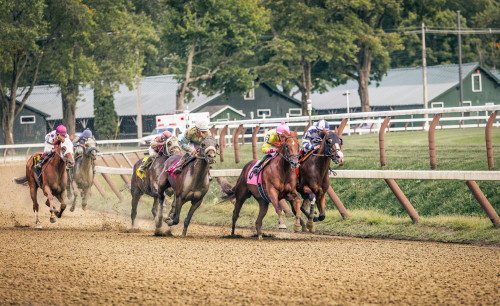
Understanding odds isn’t just about maths; it’s about reading the market. Why are odds on a particular horse shortening? Is it because of genuine improvement, or simply because a well-known jockey is riding?
Experienced punters combine data with intuition. They study form, track conditions, draw positions, and past results – but they also accept that uncertainty is part of the game. Even favourites can falter, and outsiders can surprise.
From Betting Slip to Digital Experience
Technology has transformed how we place bets, but the essence of the experience remains unchanged: the thrill of the race, the anticipation, and the hope of a win. The old paper betting slip once symbolised that excitement; today, it’s the screen that holds our attention. Yet the feeling when your chosen horse crosses the line first is still the same.
To understand odds correctly is to understand more than numbers. It’s about recognising the balance between knowledge, instinct, and responsibility – the very heart of betting, from the bookmaker’s counter to the digital platform.
Læs også: