The Driver as a Key Factor: Understanding How Driving Style Affects the Race Outcome

The Driver as a Key Factor: Understanding How Driving Style Affects the Race Outcome
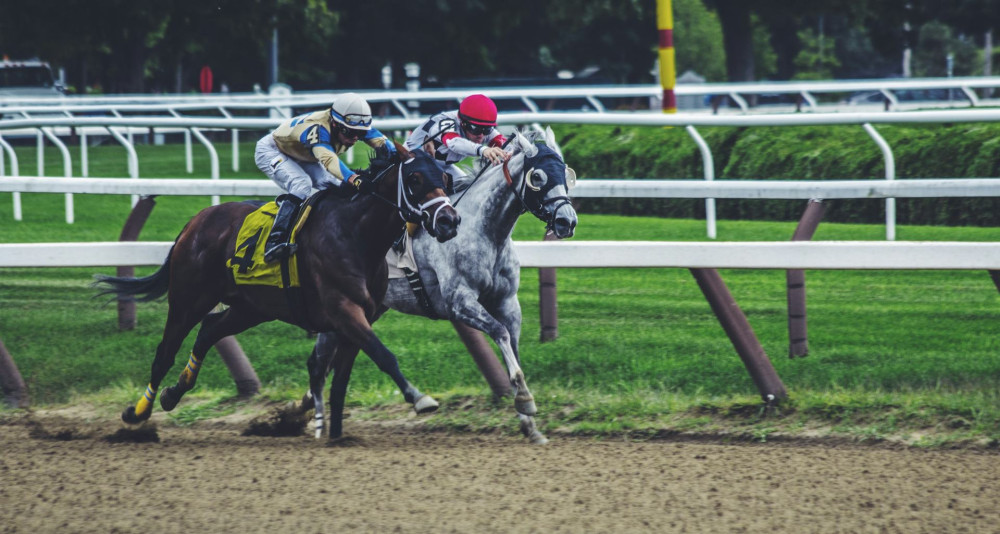
When a harness race is decided at the finish line, it’s easy to focus on the horse’s strength, form, and breeding. Yet behind every winning performance stands a driver whose split-second decisions can mean the difference between victory and defeat. The driver is not merely a passenger – he or she is a strategist, reading the race, assessing rivals, and adjusting pace in real time. To truly understand a race’s outcome, one must also understand the driver’s role and driving style.
From Start to Finish – The Driver’s Tactical Responsibility
A harness race is not just about speed; it’s about timing. The driver must decide when to let the horse use its power and when to hold back. A fast start can drain energy too early, while a cautious opening might leave too much ground to make up later.
Experienced drivers know their horses intimately – how they respond to pressure, how long they can sustain a high pace, and what kind of rhythm suits them best. At the same time, they read the movements of their competitors, anticipating when an attack might come. Finding the right balance between patience and initiative requires both intuition and experience.
How Driving Style Shapes Performance
Drivers have distinct styles that can significantly influence a horse’s performance. Some prefer an aggressive approach, taking the lead early and controlling the tempo. Others adopt a more conservative strategy, saving energy for a powerful finish.
- The aggressive driver sets the pace and forces others to react. This can provide control over the race but demands a horse with stamina and mental toughness.
- The tactical driver looks for openings, conserving energy until the decisive moment. This suits horses with quick acceleration and sharp responsiveness.
- The calm driver focuses on rhythm and consistency, giving the horse confidence and stability – especially valuable for young or nervous horses.
The key is adaptability. A skilled driver adjusts their strategy mid-race if conditions change – whether it’s a shift in tempo, a rival’s unexpected move, or a sudden change in the horse’s behaviour.
Communication Between Horse and Driver
Although the horse doesn’t understand words, communication is constant. Through reins, voice, and body language, the driver sends subtle signals: when to quicken, when to hold the line, when to prepare for a sprint. This partnership is built on trust and training, refined over countless hours together.
A driver who knows their horse well can sense even the smallest change in stride or breathing. Reacting instantly to these cues can prevent mistakes, maintain rhythm, and sometimes save a race that might otherwise be lost.
Experience and Decision-Making Under Pressure
In a harness race, everything happens in minutes, and decisions must be made in fractions of a second. Should the driver move out to challenge? Stay behind a rival and wait for a gap? This is where experience truly counts. The best drivers remain calm even when the field tightens and the crowd roars.
Many describe it as instinct – a feeling for when to act. But behind that instinct lies years of training, observation, and analysis of both their own and others’ races. It’s a craft honed through repetition and reflection.
Læs også:

Data and Technology – The Modern Driver’s Tools
Today, data plays an increasing role in harness racing. Drivers and trainers study race statistics, starting positions, sectional times, and past performances to identify patterns. This allows them to plan strategies more precisely and tailor driving styles to both horse and competition.
However, no amount of data can replace the human element. The race is a living event, full of unpredictability. Ultimately, it’s still the driver’s ability to read the moment and react that determines the outcome.
When Everything Comes Together
When horse and driver find perfect harmony, it can look effortless. The horse moves freely, the driver sits still, and the pace builds smoothly toward the finish. It’s the result of trust, timing, and tactical understanding – and it’s here that one truly sees why the driver is a key factor.
A race can be won on strength, but it’s often decided by decisions. The best driver is not necessarily the boldest, but the one who knows how to bring out the very best in their horse on the day.
Læs også: