Learn from the Past: Use Previous Tournaments to Strengthen Your Tennis Betting


Learn from the Past: Use Previous Tournaments to Strengthen Your Tennis Betting
When betting on tennis, it’s easy to get caught up in recent results and current form. But often, the real insights lie in the past. Previous tournaments hold a wealth of data and patterns that can give you an edge—if you know how to interpret them. Here’s how you can use historical results to make smarter tennis betting decisions.
Understand the Nature of Each Tournament
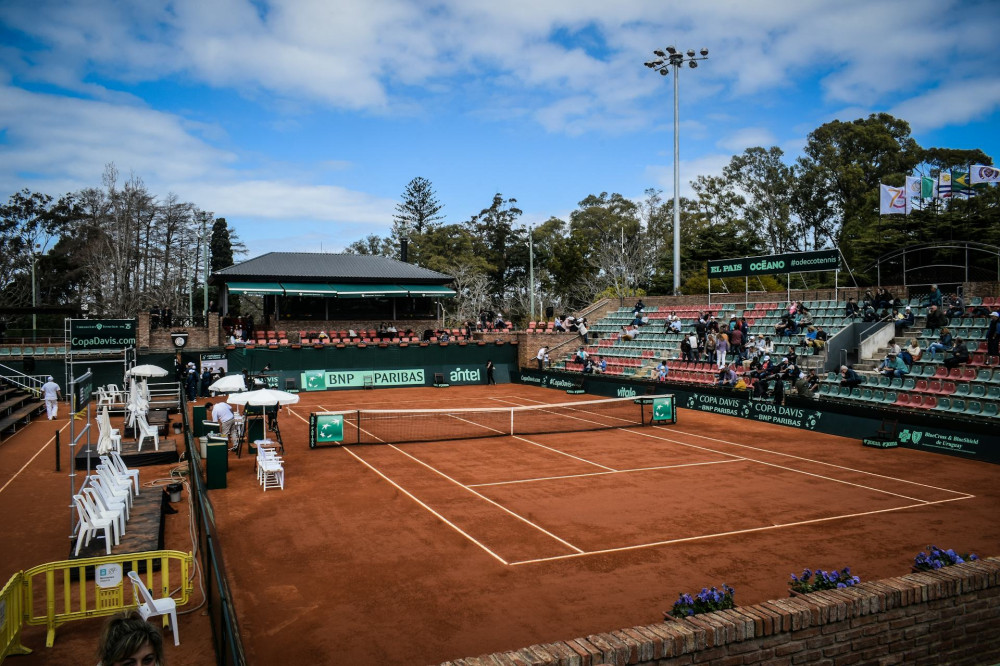
Not all tournaments are created equal. Some are played on fast hard courts, others on slow clay or slick grass. Each surface favours different playing styles. By studying past editions of a tournament, you can identify which types of players tend to perform best.
- Clay courts (like those at Roland Garros) reward patience, heavy topspin, and endurance. Players who thrive in long rallies often have the upper hand.
- Grass courts (such as Wimbledon) favour big servers and aggressive players who can finish points quickly.
- Hard courts (like the Australian Open or US Open) sit somewhere in between, though speed and bounce can vary depending on the surface composition.
By analysing previous tournaments on the same surface, you can see which players have historically succeeded—and whether their style suits the current conditions.
Look at Players’ Track Records in Specific Tournaments
Some players have a special relationship with certain tournaments. It might be the surface, the climate, or even the atmosphere that brings out their best tennis. A player who struggles early in the season might suddenly shine in a tournament where they’ve previously done well.
Take, for example, players who consistently perform strongly in Monte Carlo or Indian Wells. That’s rarely a coincidence. Check how a player has fared in the same event over the past five years. A pattern of steady results can indicate that they’re comfortable with the environment and conditions.
Analyse Head-to-Head Statistics
When two players meet, their head-to-head history often tells you more than their current ranking. Some players simply don’t match up well against certain opponents. A powerful baseliner might struggle against a player who mixes up pace and uses slices effectively.
By reviewing their previous encounters, you can see who tends to dominate—and on which surfaces. This gives you a more complete picture than just looking at form or odds.
Assess Form and Development Over Time
While historical data is valuable, it must always be viewed in context. A player who dominated three years ago may have changed coaches, adjusted their technique, or lost some physical sharpness. That’s why it’s important to combine past patterns with current trends.
Compare a player’s performances in the same tournament over several years. Are their results improving, declining, or fluctuating? This can reveal whether they’re on an upward trajectory or past their peak—and whether the odds truly reflect their current level.
Use Data—But Wisely
Today, bettors have access to an abundance of statistics: serve percentages, break points saved, rally lengths, and more. But it’s easy to drown in numbers. Statistics should support your analysis, not replace it.
Focus on the key metrics that matter most for the surface and conditions. For example, on grass, look at first-serve points won; on clay, examine break-point conversion rates. The better you understand which factors influence outcomes in a given tournament, the sharper your predictions will be.
Læs også:



Learn from the Upsets
Past tournaments also show that surprises happen—and often follow patterns. Some players thrive as underdogs, while others struggle under pressure as favourites. By studying previous upsets, you can spot when it might make sense to back an outsider.
Look at how lower-seeded players have performed in the early rounds of a tournament. If unexpected results occur year after year, it could suggest that the conditions favour unpredictability—and that there’s value to be found in the odds.
Conclusion: The Past as Your Best Teacher
Tennis is a sport full of variables, and no match is ever completely predictable. But by using previous tournaments as a guide, you can refine your analysis and make more informed betting choices. History doesn’t always repeat itself—but it often rhymes. For the thoughtful bettor, that rhyme can be the difference between luck and insight.
Læs også: