Super Bowl and Rule Changes: How Betting Has Evolved Over Time

Super Bowl and Rule Changes: How Betting Has Evolved Over Time
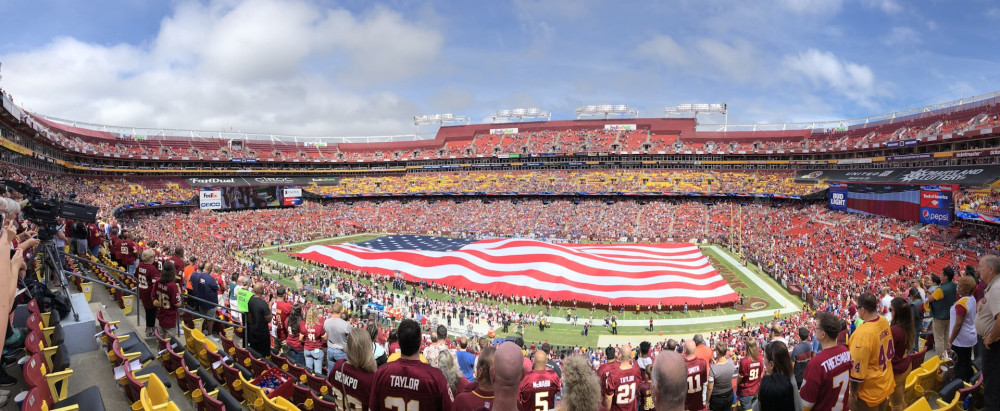
The Super Bowl isn’t just the biggest sporting event in the United States – it’s also one of the most bet-on games in the world. Every year, billions of dollars are wagered on everything from the final score to the length of the national anthem. But betting on the Super Bowl hasn’t always looked the way it does today. Changes in NFL rules, advances in technology, and evolving gambling laws have all shaped how fans engage with the game – both on the field and at the betting slip.
From Simple Bets to Complex Markets
When the first Super Bowl was played in 1967, betting on American football was still a niche activity. Most wagers focused on who would win and by how many points. Bookmakers operated mainly in Las Vegas, and bets were placed in person or over the phone.
By the 1980s, prop bets – short for proposition bets – began to take off. These allowed fans to bet on specific events within the game, such as who would score the first touchdown or how many passing yards a quarterback would achieve. This made betting more entertaining and accessible, even for those who weren’t die-hard football followers.
Rule Changes That Shifted the Odds
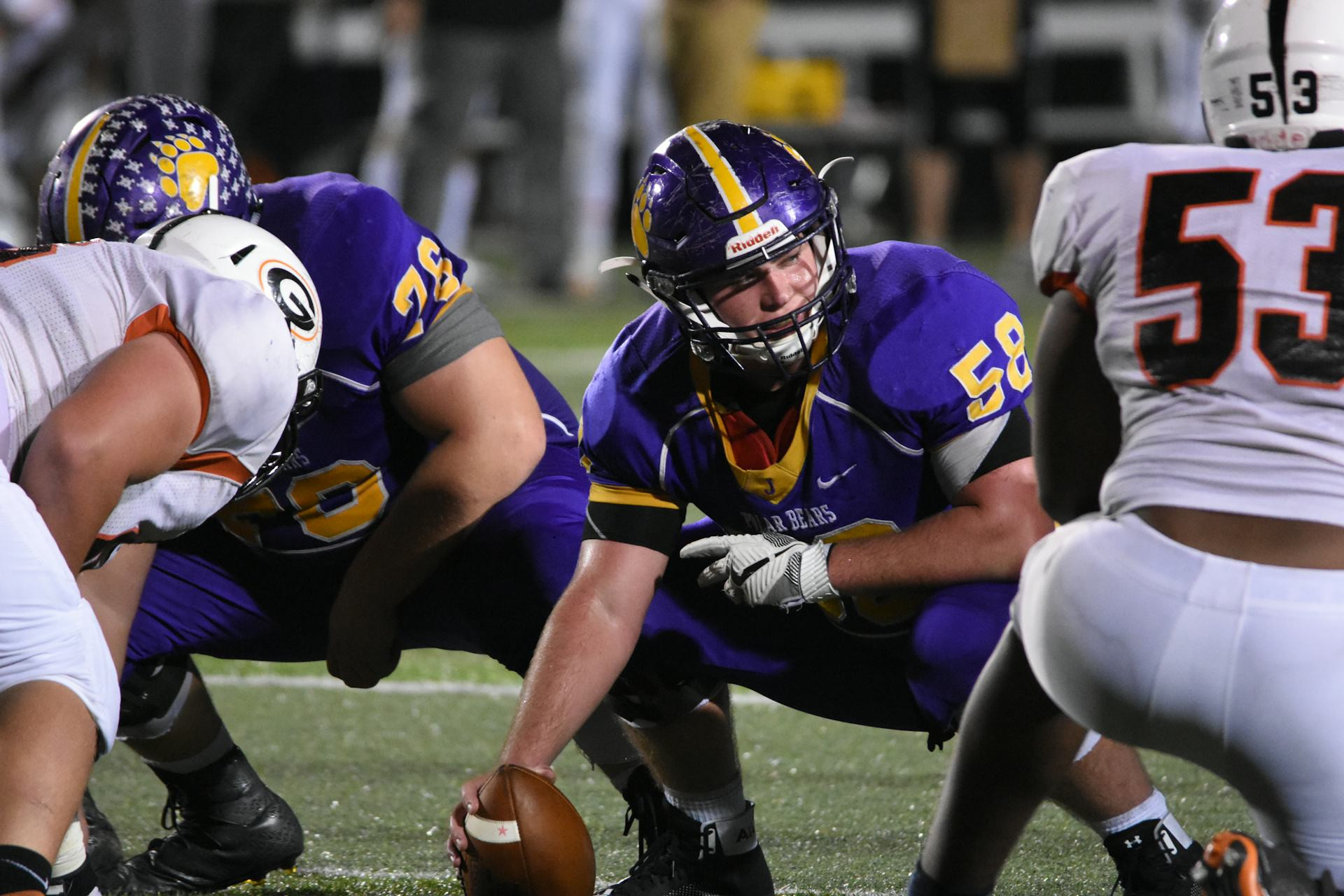
Over the decades, the NFL has continuously adjusted its rules to make the game faster, safer, and more exciting. These changes have had a direct impact on betting patterns and odds.
- Protecting quarterbacks and receivers: Stricter rules against dangerous tackles have made it easier for offenses to thrive. This has led to higher average scores, forcing bookmakers to adjust their over/under lines accordingly.
- Extra points and two-point conversions: When the NFL moved the extra-point kick back to the 15-yard line in 2015, it introduced new uncertainty. Bettors suddenly had to consider whether teams would opt for a two-point conversion instead.
- Overtime rules: Adjustments to how overtime is decided have made predicting outcomes more difficult – and more thrilling for those betting on the result.
Even small rule tweaks can ripple through the betting markets, changing how fans and bookmakers approach the game.
Læs også:


The Digital Revolution and the Rise of Live Betting
The internet transformed sports betting in the 2000s, moving it from casinos to computers – and later to smartphones. Fans around the world, including in Ireland, can now place bets on the Super Bowl in real time.
Live betting has been a game-changer. Punters can now wager on the next play, the next score, or even the next turnover as the action unfolds. This has turned the Super Bowl into an interactive experience, where viewers don’t just watch the game – they participate in it.
Data and analytics have also become central to modern betting. Many bettors use advanced statistics to find value in the odds, while bookmakers rely on sophisticated algorithms to stay one step ahead. It’s an ongoing battle of insight and innovation.
Legalisation and Regulation: A New Era for Betting
For decades, sports betting in the United States was largely confined to Nevada. That changed in 2018, when the U.S. Supreme Court struck down the federal ban on sports wagering. Since then, more than half of U.S. states have legalised betting, creating a massive new market.
This shift has had a huge impact on the Super Bowl. Millions of Americans now bet legally, and betting advertisements dominate television and social media in the lead-up to the game. The result is a more transparent and regulated industry, with greater emphasis on responsible gambling.
In Ireland, where sports betting has long been part of the culture, the evolution of the U.S. market has sparked interest too. Irish bookmakers now offer extensive Super Bowl markets, and Irish fans join millions worldwide in placing bets on the big game.
The Future: Technology, Responsibility, and New Betting Forms
The future of Super Bowl betting looks both exciting and complex. Artificial intelligence and machine learning are already being used to predict game outcomes, while cryptocurrencies are emerging as alternative payment methods. At the same time, both the NFL and betting operators are working to ensure that gambling remains entertainment – not addiction.
A growing trend is microbetting, where fans can wager on individual plays or moments, turning the game into hundreds of mini-events. It’s fast-paced and engaging, but it also raises new questions about regulation and player protection.
From Backrooms to Mainstream Entertainment
Super Bowl betting has evolved from a niche pastime into a mainstream part of the sports experience. What once revolved around picking a winner now involves understanding the game’s dynamics, the impact of rule changes, and the many ways to engage with the action.
NFL rule changes have made the game more offensive and unpredictable – and therefore more appealing to bettors. Technology has made participation easier than ever, and legalisation has brought betting into the open. The Super Bowl is no longer just a contest for the championship; it’s a global event where sport, strategy, and entertainment come together in one spectacular show.
Læs også: