Special Markets in Ice Hockey: How Are the Odds Set?

Special Markets in Ice Hockey: How Are the Odds Set?
When most people think of betting on ice hockey, they picture traditional markets like match winner, total goals, or handicap bets. But as both the sport and the betting industry have evolved, a wide range of special markets has emerged – from who scores the first goal to how many penalty minutes a team will accumulate. Behind these odds lies a complex process that blends data analysis, mathematics, and human judgment. So how exactly are odds on special markets in ice hockey determined?
What Is a Special Market?
A special market – often called a “prop bet” or “special” – covers outcomes beyond the basic result of the game. In ice hockey, this might include:
- Which player scores the first or last goal
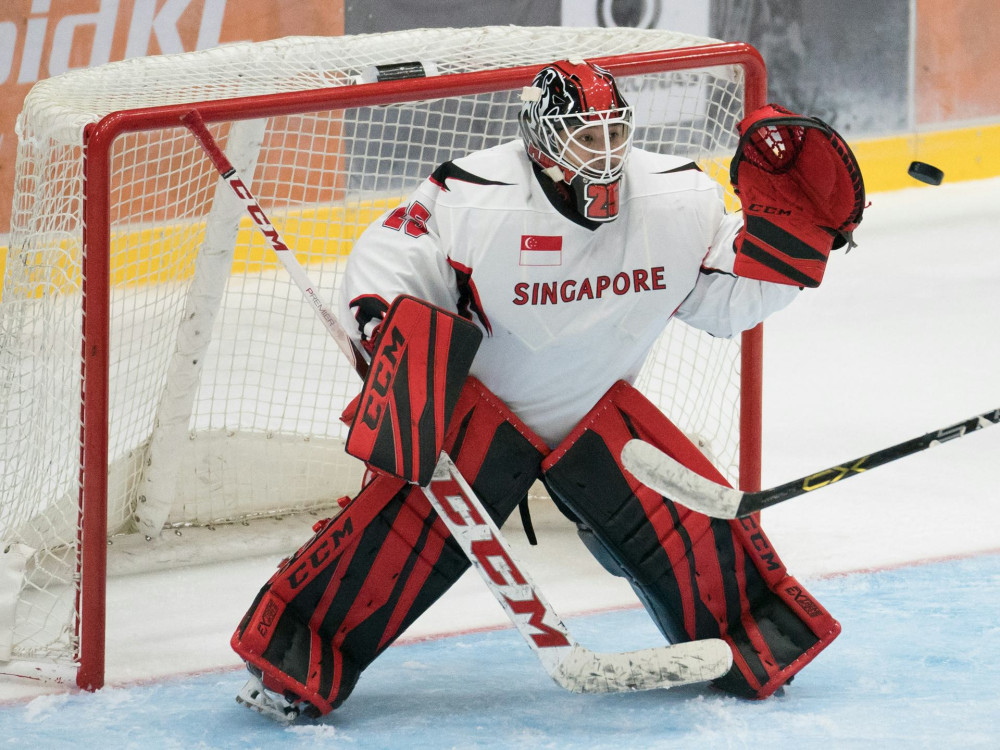
- How many saves a goaltender makes
- Whether a team scores while shorthanded
- The number of penalties in a period
- Whether the game goes to overtime
These markets add variety and excitement for fans and bettors alike. However, they also require bookmakers to have a deep understanding of the sport and access to detailed data.
Data as the Foundation
Setting odds for special markets begins with data. Bookmakers analyse vast amounts of statistics at both team and player level, such as:
- Shot statistics: How many shots on goal a team or player typically records.
- Power play efficiency: How often a team scores when playing with a man advantage.
- Goaltender performance: Save percentage, goals against average, and performance against specific opponents.
- Discipline: The frequency and type of penalties a team or player tends to take.
These figures feed into mathematical models that estimate the probability of each outcome. The more accurate the data, the more precise the odds.
The Human Element
While algorithms and models play a major role, human insight remains essential. Ice hockey is a fast, physical, and unpredictable sport. Injuries, fatigue, travel schedules, and team morale can all influence performance in ways that numbers alone can’t capture.
That’s why odds compilers closely follow team news, press conferences, and even social media. If a key forward is injured or a team is playing its third game in four nights, the odds will be adjusted accordingly. This is especially important for special markets, where small changes can have a big impact – for example, if a top-line player is moved to a different line just before face-off.
Live Betting and Dynamic Odds
A large share of hockey betting now happens live, as the game unfolds. In-play odds are updated in real time based on what’s happening on the ice. If a team takes a penalty or a goaltender is pulled, the probabilities shift instantly.
Bookmakers use advanced algorithms that combine live data with historical patterns. For instance, if a team known for a strong power play gets an opportunity, the odds for them to score during that advantage will shorten immediately. This requires rapid calculations and constant monitoring to keep the odds fair and responsive.
Læs også:


Why Odds Differ Between Bookmakers
Even though most bookmakers use similar data sources, odds on special markets can vary. This is due to differences in modelling approaches, risk tolerance, and customer behaviour. Some bookmakers adjust quickly to market movements, while others rely more on their internal assessments.
Smaller or newer operators may even offer higher odds on certain special markets to attract customers, accepting a higher level of risk. For savvy bettors, comparing odds across multiple bookmakers can reveal opportunities for better value.
The Bettor’s Advantage: Knowledge and Timing
For Irish bettors who follow ice hockey closely – whether it’s the NHL, the IIHF World Championship, or the Belfast Giants in the Elite Ice Hockey League – special markets can be a way to put their knowledge to use. Understanding a team’s tactics, a player’s form, or a coach’s tendencies can help identify value where the bookmaker’s model might not fully adjust.
However, these markets can also be volatile. A deflection, a referee’s call, or a lucky bounce can decide the outcome. That’s why it’s important to approach special markets with discipline and view them as part of the entertainment, not a guaranteed profit.
Balancing Data and Intuition
Setting odds on special markets in ice hockey is a balancing act – a blend of statistical precision, technological modelling, and human intuition. Bookmakers aim to predict the unpredictable, while bettors look for the small gaps in those predictions.
That interplay is what makes special markets so intriguing: they combine the unpredictability of sport with the logic of mathematics, offering fans and bettors in Ireland a fresh and engaging way to experience the thrill of ice hockey.
Læs også: