National Laws and Motorsport: What Are Bookmakers Actually Allowed to Offer?

National Laws and Motorsport: What Are Bookmakers Actually Allowed to Offer?
Motorsport is one of the most thrilling and technically demanding sports in the world – and for many fans, it’s also a sport that sparks interest in the betting market. But what are bookmakers actually allowed to offer when it comes to betting on Formula 1, MotoGP, or rally events? And how do national laws come into play when the sport crosses borders and regulatory systems?
This article provides an overview of how legislation shapes the betting options available on motorsport – with a particular focus on Ireland and the wider international context.
Irish Regulation: Licensing, Responsibility, and Transparency
In Ireland, all forms of betting are regulated under the Betting (Amendment) Act 2015, overseen by the Revenue Commissioners and, in the near future, the forthcoming Gambling Regulatory Authority of Ireland (GRAI). Any bookmaker offering bets to Irish customers must hold a valid Irish betting licence. This ensures compliance with rules on responsible gambling, consumer protection, and fair play.
Licensed bookmakers in Ireland are permitted to offer bets on motorsport, provided the outcomes are objectively measurable. This means you can bet on who wins a race, who secures pole position, or which team scores the most points in a season. However, bets based on subjective judgments – such as “the most aggressive driver” or “the best overtaking move” – are not allowed, as they cannot be verified independently.
Bookmakers must also adhere to advertising standards and anti-money-laundering regulations, ensuring that betting remains transparent and that players are protected from unfair practices.
International Differences: A Patchwork of Rules
While Ireland’s system is relatively straightforward, the legal landscape for motorsport betting varies widely across countries. In the United Kingdom, betting on motorsport is well established and regulated by the UK Gambling Commission, which allows a broad range of markets, including live in-race betting.
In contrast, Germany and France impose stricter controls, limiting certain types of live or high-frequency betting to reduce the risk of gambling addiction and to protect sporting integrity.
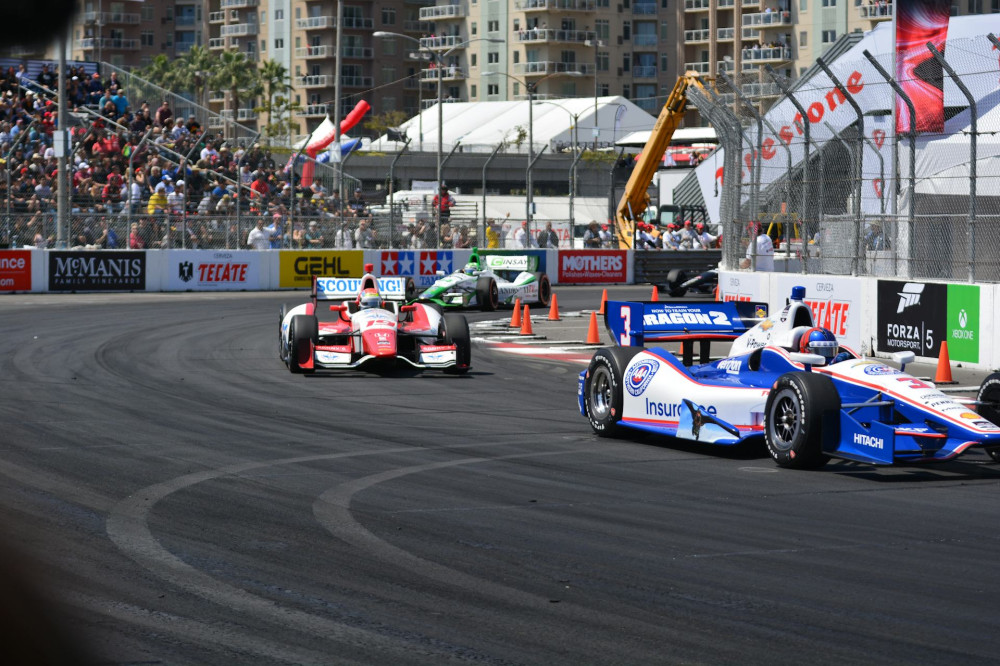
In the United States, the situation is even more fragmented. Each state sets its own rules: some permit betting on NASCAR or IndyCar, while others prohibit sports betting altogether. For international bookmakers, this means adapting their offerings to each jurisdiction’s legal and cultural expectations.
Læs også:



Integrity and Manipulation: Motorsport’s Unique Challenges
Motorsport differs from many other sports because technical and mechanical factors play such a decisive role. A sudden engine failure, a pit stop error, or a change in weather can completely alter the outcome. This unpredictability makes the sport exciting – but also vulnerable to suspicion of manipulation.
To safeguard integrity, both national regulators and international bodies like the Fédération Internationale de l’Automobile (FIA) require cooperation between bookmakers, teams, and governing authorities. Drivers, mechanics, and team members are strictly prohibited from betting on events in which they participate, and bookmakers must monitor unusual betting patterns that could indicate insider activity or match-fixing.
In Ireland, licensed operators are expected to report suspicious betting behaviour to the authorities, who can share information with international partners to maintain the integrity of the sport.
What Can Irish Bettors Expect?
As an Irish bettor, you can safely use bookmakers licensed in Ireland to place bets on motorsport. The range of available markets typically includes:
- Race or qualifying winners
- Podium finishes (top 3, top 6, etc.)
- Head-to-head driver matchups
- Championship points or standings
- Season-long bets (e.g. “Who will win the Constructors’ Championship?”)
You are unlikely to find bets on events that cannot be verified objectively, as Irish law requires that all outcomes be measurable and transparent.
The Future of Motorsport Betting
With motorsport’s growing popularity and the rise of digital platforms – including e-sports and virtual racing – the betting market is expected to expand. However, this growth will occur under continued regulatory scrutiny.
Ireland’s upcoming Gambling Regulatory Authority aims to modernise and harmonise the country’s gambling laws, ensuring that innovation in betting is balanced with strong consumer protection and integrity safeguards. Internationally, there is also a push toward greater cooperation between regulators to make cross-border operations more consistent and accountable.
For fans, this means more opportunities to engage with the sport through betting – but in a safer, more transparent environment.
Conclusion: Clear Rules Build Trust
Although motorsport is a global sport, betting on it remains governed by national laws. In Ireland, this means bookmakers can only offer bets that are objectively measurable and licensed under Irish regulation.
While these rules may seem restrictive, they provide essential protection for bettors and help preserve the integrity of the sport. After all, betting on motorsport should not only be about predicting the winner – it should also be about ensuring that the game is fair, transparent, and responsibly managed.
Læs også: