Decks of Cards and Probabilities: How the Rules Affect the Pace of the Game

Decks of Cards and Probabilities: How the Rules Affect the Pace of the Game
When you sit down at a card table – whether it’s blackjack, poker, or baccarat – luck is only part of the story. The rules, the number of decks, and the probabilities behind each game all shape how quickly the game moves and how the atmosphere develops. In this article, we’ll explore how the structure of a card game influences its rhythm, and why even small rule changes can make a big difference to the pace.
The Deck’s Role in the Game’s Rhythm
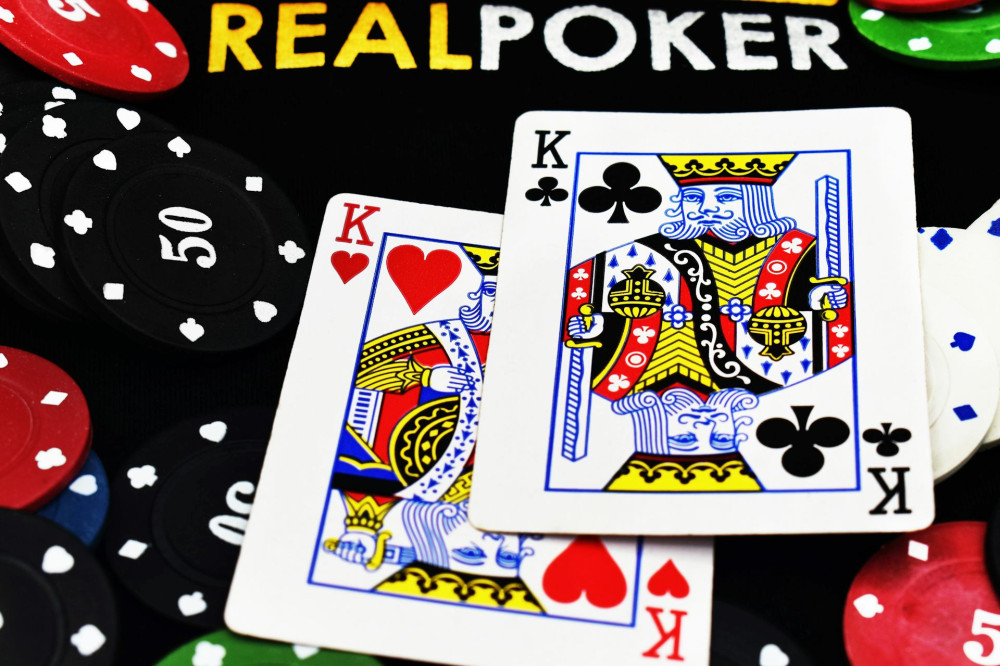
A standard deck contains 52 cards, but many casino games use multiple decks shuffled together. In blackjack, for instance, anywhere from one to eight decks can be used in the same shoe. This doesn’t just affect the odds – it also changes the tempo of the game.
- Fewer decks mean the cards need to be reshuffled more often, creating more pauses in play. On the other hand, experienced players can more easily track which cards remain, allowing them to adjust their strategy.
- More decks allow for longer rounds between shuffles and a smoother flow, but make it harder to predict outcomes. That’s an advantage for the house, but also for players who prefer a continuous, uninterrupted rhythm.
In practice, most casinos aim for a balance – enough decks to keep the game moving, but not so many that it loses its tension.
Probabilities and Decision Speed
The probabilities in a card game influence how quickly players make decisions. In blackjack, the odds of drawing certain cards are well known, allowing seasoned players to act swiftly. Poker, by contrast, demands a deeper analysis of each hand – the community cards, opponents’ behaviour, and pot odds – which naturally slows the pace.
Games that rely heavily on strategy and uncertainty tend to move more slowly, while those with simpler probabilities and limited choices – such as baccarat or casino war – run faster. That’s one reason casinos often mix quick and slow games on the floor: it creates variety and caters to different types of players.
Læs også:

How Rules Shape the Flow
Even minor rule adjustments can change a game’s rhythm dramatically. In blackjack, for example, a rule requiring the dealer to stand on a “soft 17” can shorten each round, as fewer hands need extra cards. In poker, time limits per round or automatic blinds can speed up play and keep the action dynamic.
Online, developers have taken this even further. Digital platforms can fine-tune the tempo – from lightning-fast blackjack tables to “slow play” poker tournaments that give players more time to think. It shows that the pace of a game isn’t just about the cards themselves, but also about the design choices surrounding them.
Pace and Experience – Two Sides of the Same Coin
A fast-paced game can feel thrilling and immersive, but it can also lead to quicker losses if players don’t have time to think. A slower game allows for strategy and social interaction, but risks losing momentum if the pauses drag on. The ideal pace depends on what players are looking for: excitement, focus, or conversation.
Many players find that the best rhythm emerges when the rules, probabilities, and number of decks are in harmony. That’s when the game feels natural – each hand flows into the next, and the tension stays alive without becoming stressful.
When Mathematics Meets Entertainment
Behind every card game lies a mathematical framework that governs the probabilities. But it’s the tempo – the rhythm of play – that determines how the game feels. Understanding how decks and rules influence that rhythm gives both players and organisers deeper insight into why some games feel fast and others slow.
In short: the pace of a card game is no accident. It’s the result of a careful interplay between probability, rules, and human behaviour – and that’s what makes card games such a fascinating blend of mathematics and psychology.
Læs også: